
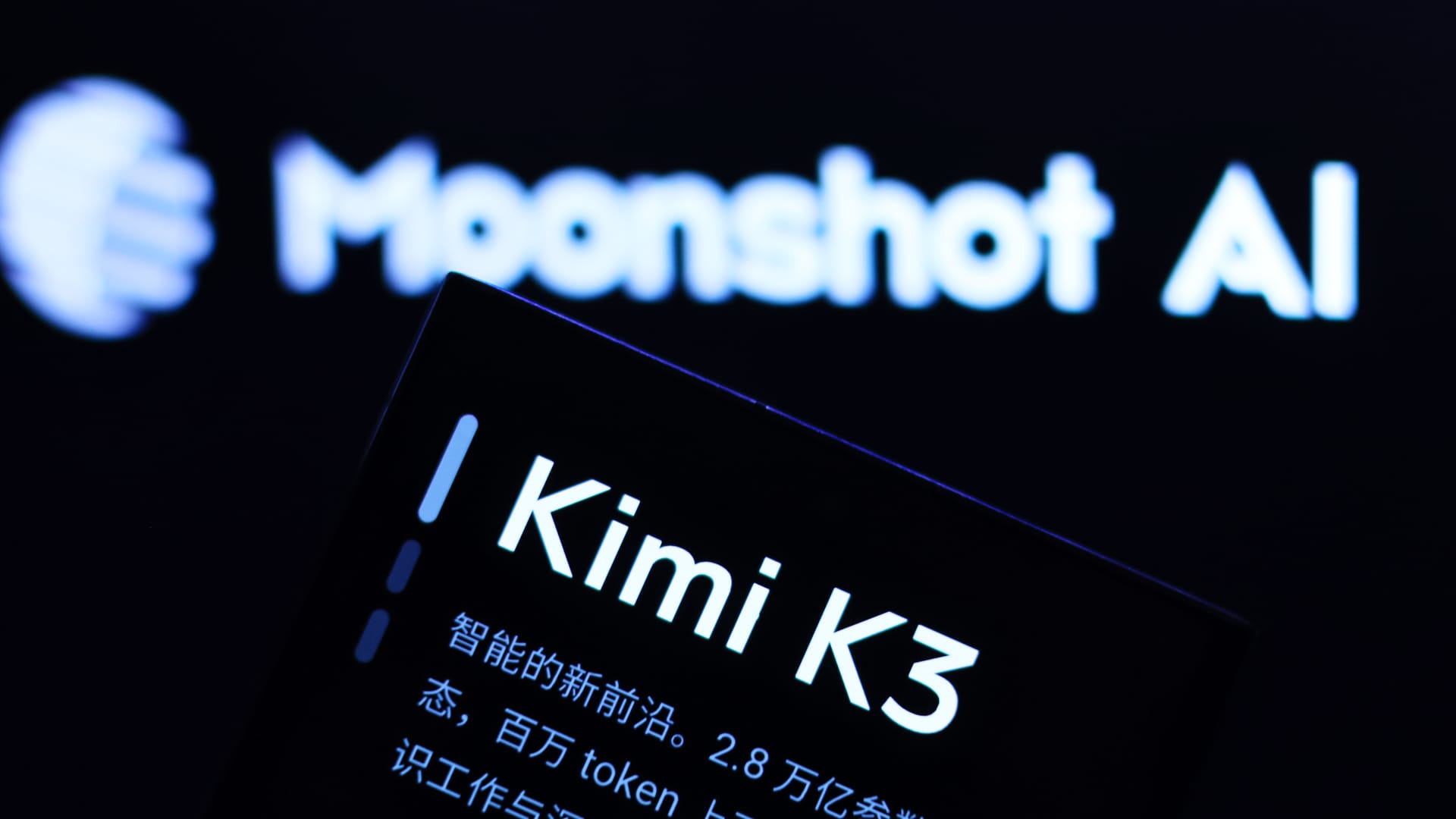
Moonshot AI, a Chinese artificial intelligence lab, has turned to Europe for access to Nvidia’s advanced Blackwell chips amid U.S. restrictions. Sources have revealed that the lab is negotiating to lease data center capacity in Europe that hosts Nvidia GPUs, as reported by CNBC.
Exploring European Data Centers
According to four anonymous sources, Moonshot AI is looking to rent capacity from neoclouds equipped with Nvidia graphics processing units at various European facilities. This move follows accusations from the White House that the lab had been accessing Nvidia’s advanced chips remotely from East Asia. U.S. export controls have significantly impacted the availability of these powerful chips to Chinese firms, making it challenging for them to compete in the AI sector.
U.S. Export Controls and Their Impact
The U.S. government has been using export controls as a strategy to maintain its competitive edge over China in the AI race. Companies like OpenAI and Anthropic are in a fierce competition with Chinese developers such as Moonshot AI, which is known for its Kimi series of models. Notably, the White House indicated in July that Moonshot AI had accessed Nvidia’s Blackwell chips through a facility in Thailand.
Despite the restrictions on shipping the most advanced Nvidia chips to China, remote access via overseas data centers presents a loophole that Moonshot AI is now attempting to exploit. Current regulations do not provide regulators with extensive power to control cloud-based access to such chips.
Moonshot AI’s Ambitious Goals
Founded in 2023 in Beijing, Moonshot AI has quickly established itself as a significant player in the AI model development sector. In July, the company announced the launch of a new model that it claimed narrowed the gap with top systems from competitors like OpenAI and Anthropic. The Kimi K3 model gained traction for being a more cost-effective alternative to U.S. offerings.
As demand for its services surged, Moonshot temporarily paused new subscriptions to focus on enhancing its computing capacity. Plans are underway to increase processing power, with the company stating, “We’re adding capacity as fast as we can and will reopen new subscription spots in batches.” Leasing AI computing power has become a lucrative sector, with arrangements often requiring upfront costs that can be significantly higher for Chinese firms.
Political and Market Pressures
In response to growing concerns over foreign access to critical technology, U.S. lawmakers are proposing the Remote Access Security Act (RASA) to tighten export controls. This legislation aims to cover cloud-based access to essential hardware and software, reflecting the increasing political pressure regarding technology exports. Meanwhile, Nvidia has indicated that cloud providers must ensure at least 51% of their services are sold to non-Chinese customers, highlighting the competitive landscape in the AI industry.