


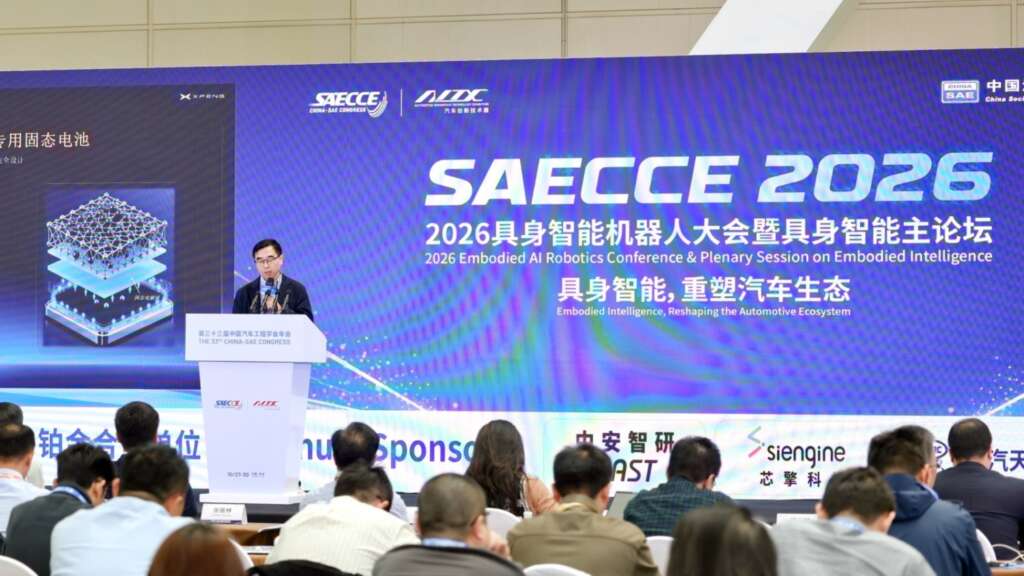

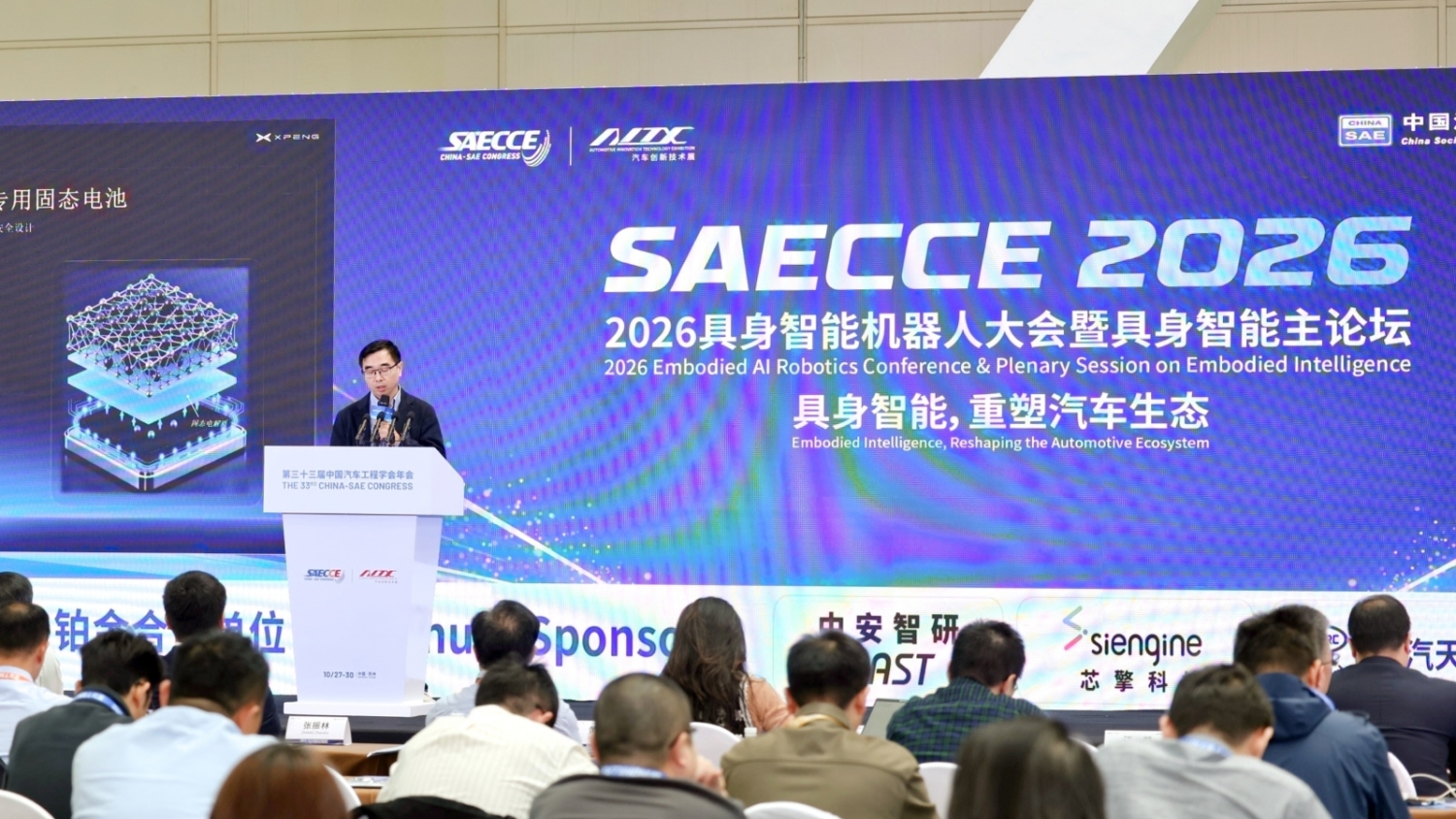
During the 33rd Annual Congress of the China Society of Automotive Engineers (China-SAE) held in Suzhou, engineers identified the ten leading automotive technology trends expected to shape the industry in China by 2027. These advancements include innovations such as 400 Wh/kg solid-state batteries, Vehicle-to-Grid systems, and integrated die-cast magnesium alloy body elements, among others.
According to Zheng Yali, the deputy secretary of China-SAE, these trends signify significant improvements in performance and cost, the introduction of new mass-production technologies, and an expansion in their applications.
Key Trends for 2027
1. Solid-State Batteries
The foremost trend is the development of solid-state batteries featuring a cell-level energy density of 400 Wh/kg. These batteries are anticipated to enter pilot production, promising enhanced safety and a wider operational temperature range. Industry leaders are expected to begin vehicle-level engineering validation for this technology next year.
2. RISC-V Microcontroller Units (MCUs)
The second trend involves microcontroller units based on the open-source RISC-V processor architecture. These MCUs will support scalable designs for various control scenarios, including powertrain and braking systems, and will facilitate easier licensing of architecture.
3. Integrated Vehicle Motion Control
Next is the rise of integrated vehicle motion control technology, which connects driving demands with performance capabilities. This system will unify different functions such as braking and steering, ultimately improving the driving experience.
4. Vehicle-to-Grid (V2G) Technology
The fourth trend is V2G technology, which enables vehicles to share energy with the power grid. This capability could facilitate bi-directional grid regulation, significantly enhancing power system stability and resilience.
5. Integrated Die-Cast Magnesium Alloy Components
Another notable trend is the increasing use of large integrated die-cast magnesium alloy components in vehicle bodies. This technology is expected to reduce vehicle weight by approximately 20%, building on its previous use in drivetrains and other parts.
6. Autonomous Truck Fleets
The sixth trend is the demonstration of high-level autonomous truck fleets, which will operate thousands of vehicles in various scenarios, including rail operations and mining, thereby boosting transportation capacity.
7. Wheel Hub Electric Drive Technology
This technology aims to enhance spatial layout and transmission efficiency through in-wheel designs, which will improve steering vector control.
8. On-Device AI Models
The eighth trend highlights the deployment of on-device AI models within mass-produced vehicle cockpits. These models, featuring 14 billion parameters, will minimize dependency on cloud services, thereby enhancing data privacy and improving task execution by 2027.
9. Connected Assisted Driving Systems
The ninth trend involves the pre-installation of connected assisted driving systems, which will leverage vehicle-cloud synergy to enhance driving safety.
10. Metal 3D Printing
Lastly, metal 3D printing technology will facilitate the optimization of vehicle body structures and the manufacturing of complex components.

